| Dear Readers,
what will our health care system look like in the future? How can sensible innovation policy be shaped? And how can we ensure a sustainable energy supply when economic and social conditions are constantly changing? These and other pressing questions are the focus of our researchers‘ daily work – independent and grounded in scientific evidence.
The current issue of ZEW Monthly is dedicated to the theme of "Future Viability". Discover why statutory health insurance urgently requires structural reform, how the research allowance is becoming a key driver of innovation for companies, what role China’s patent strategy plays in global competition and why reducing fossil fuel subsidies is indispensable for both climate and prosperity.
We hope you enjoy your reading.
|
|
|
|
| |
 | | | RESEARCH ON FUTURE VIABILITY |
| |
| |
|
| | | |
↗ DOMESTIC PATENTS STRENGTHEN CHINA'S TECHNOLOGICAL INDEPENDENCE
|
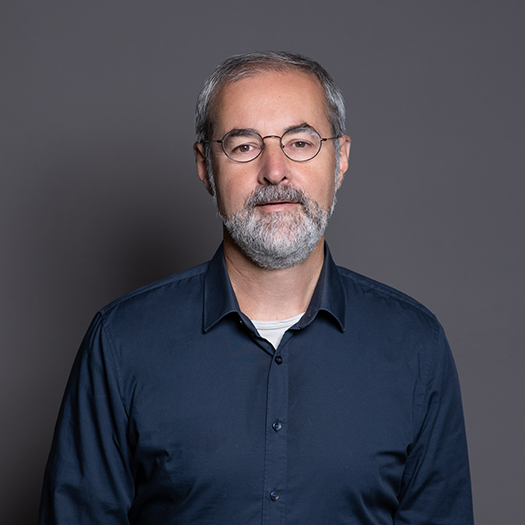
| In recent years, China has replaced the USA as the world’s leading patent nation. However, while the number of patent applications continues to rise, the average contribution of a Chinese patent to innovation is declining – as is the growth rate of top patents, which are crucial for technological progress. At the same time, domestic inventions are increasingly shaping the direction of innovation in China. This development has implications for China’s economic growth and reveals potential effects of Chinese policy. “The contribution of foreign knowledge – especially from the USA – to Chinese innovation has recently declined significantly. This points to growing independence on the part of China,” explains ZEW economist Philipp Boeing.
|
| More about the study
|
| |
| |
|
|
|
| | | | |
↗ “GENUINE STRUCTURAL REFORMS NEEDED”
|
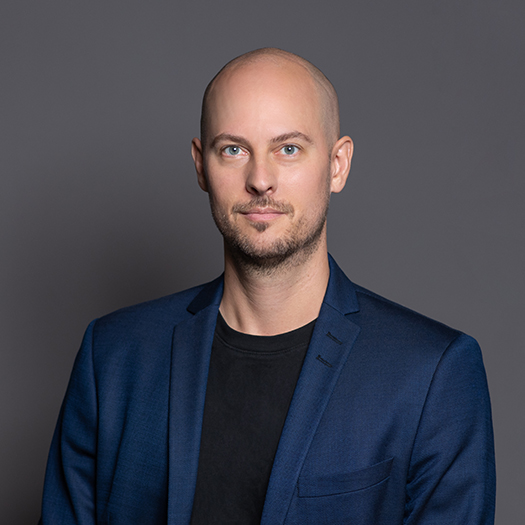
| In a report to the Bundestag’s Budget Committee, Germany’s federal court of auditors, the Bundesrechnungshof, has warned that supplementary contributions to Germany’s statutory health insurance system (GKV) will increase sharply. ZEW researcher Simon Reif comments: “The structural financing problem of statutory health insurance has long been known and is becoming increasingly acute. The warnings of the Bundesrechnungshof about rising supplementary contributions to the GKV are justified and come as no surprise. In comparison with the EU, Germany has the highest per capita health expenditure; accordingly, genuine structural reforms must start on the spending side.”
|
| More about the comment
|
| |
| |
|
|
|
| | | | |
↗ R&D TAX CREDIT BECOMES CENTRAL FUNDING INSTRUMENT
|
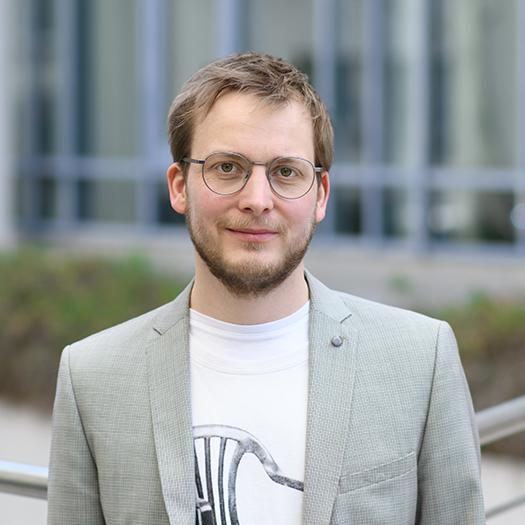
| Since 2020, German companies have had access to a tax-based funding instrument for research and development (R&D) called 'Research Allowance', which is increasingly establishing itself as a key pillar for promoting innovation. Small and medium-sized enterprises (SMEs) in particular are benefiting from the research allowance, which is now the largest R&D funding programme for companies in Germany. At the same time, there is potential for improvement: “A simpler application procedure and more attractive conditions for larger companies will further increase the research policy significance of the instrument,” explains ZEW economist Christian Rammer.
|
| More about the study
|
| |
| |
|
|
|
|
|---|
| |
 |
|
| | |
| | ↗ FOSSIL FUEL SUBSIDIES ARE DETRIMENTAL TO PROSPERITY, PUBLIC FINANCES AND THE CLIMATE
|
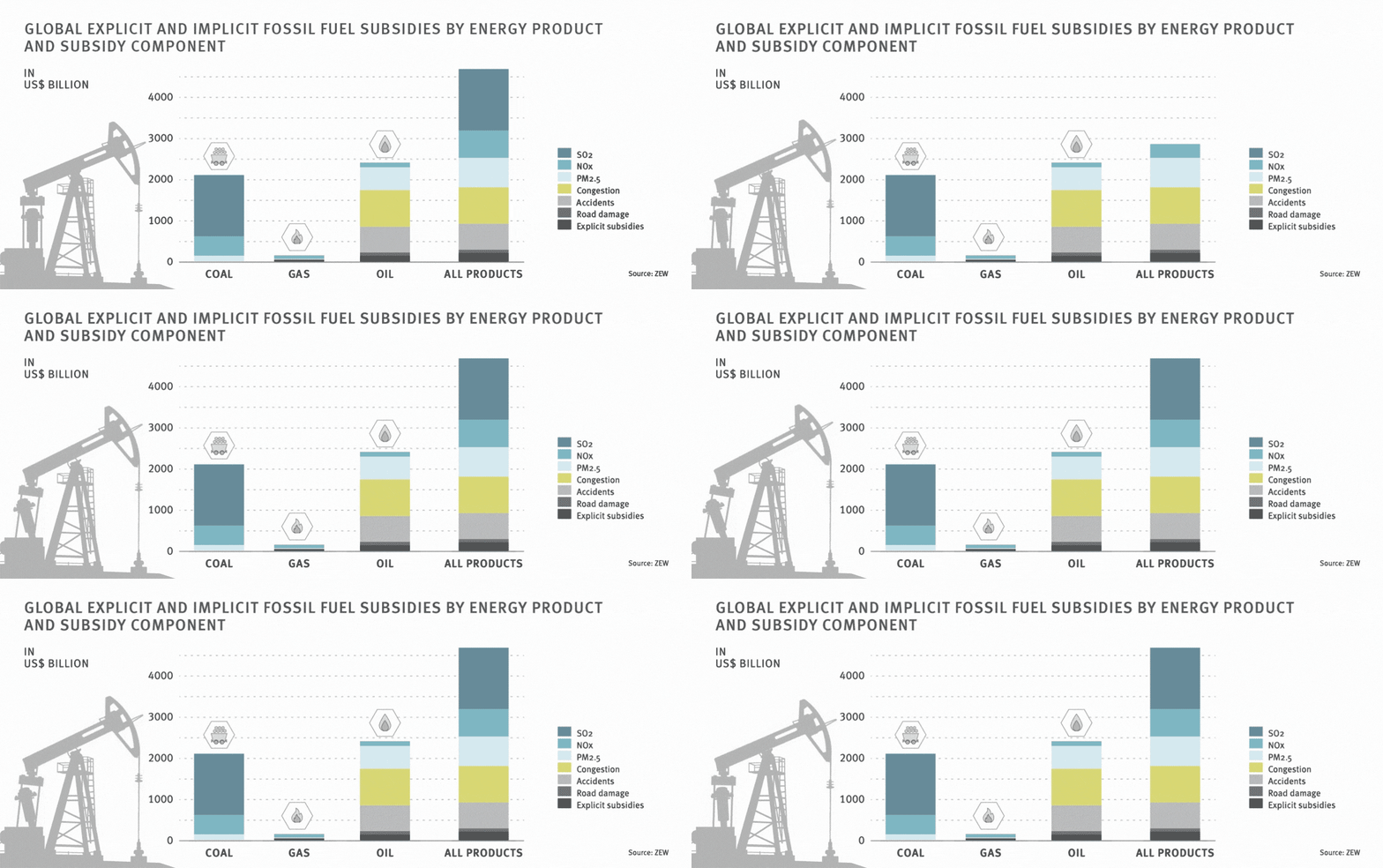
| Reducing explicit and implicit subsidies for fossil fuels such as coal, oil and natural gas could lead to greater prosperity, rising tax revenues and significantly lower CO2 emissions, despite the resulting increase in energy prices. Moreover, according to a recent study by ZEW, around a third of all countries worldwide could thus meet their climate targets – without needing any additional policies like carbon pricing. The reconciliation of economic, fiscal and climate policy goals would become easier than previously assumed.
|
|
| |
|
| |
|
|
|
|
|
| | |
|
| | | |
↗ IRENE BERTSCHEK ELECTED NEW EFI CHAIR
|
| The Federal Government’s Commission of Experts for Research and Innovation (EFI) has decided on a new chair. The commission members have unanimously elected Irene Bertschek, head of the Research Unit “Digital Economy” at ZEW Mannheim, as their new chair. “The election of Irene Bertschek is a notable acknowledgement of her professional excellence and significant contributions to the digital transformation. We are very pleased that she takes on this role and congratulate her warmly,” says ZEW President Achim Wambach.
|
| More about the topic
|
| |
| |
|
|
|
| | | | |
↗ MORE DEBT FOR A FUTURE-PROOF EU?
|
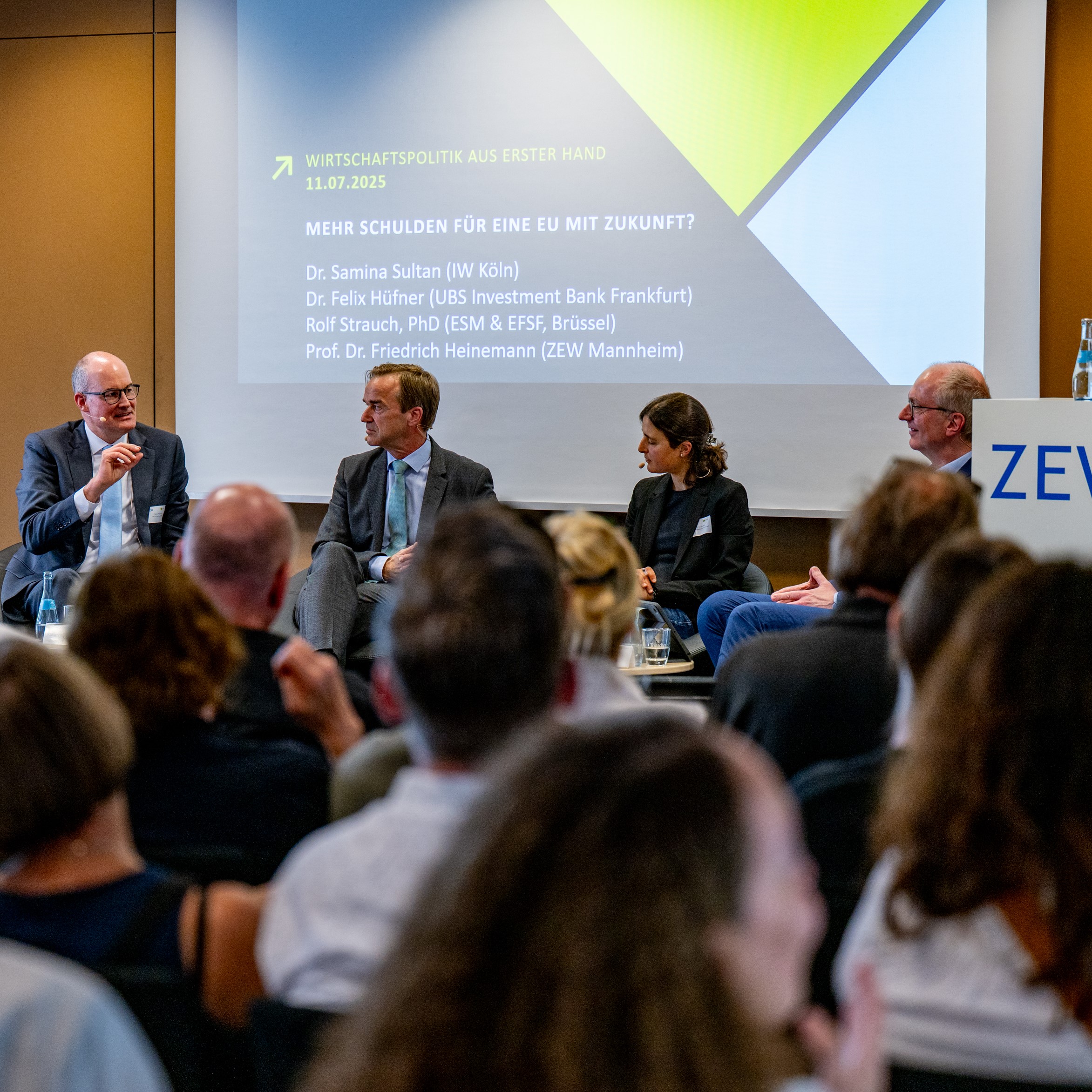
| Escalating international trade disputes, new security threats and eroding competitiveness – the economic and financial policy environment in Europe is undergoing dramatic change. In this context, the upcoming Multiannual Financial Framework (MFF) of the EU must reflect these new realities. This raises the question of whether the current structure of EU budget expenditure is still appropriate. As part of the “First-Hand Information on Economic Policy” event series, a panel of experts discussed this issue under the moderation of ZEW economist Friedrich Heinemann on 11 July 2025 at ZEW.
|
| More about the topic
|
| |
| |
|
|
|
| | | | |
↗ PRIVATE HEALTH INSURANCE CONTRACTS: BETTER THAN THEIR REPUTATION
|
| The design of German private long-term health insurance contracts comes very close to the ideal economic dynamic life cycle contract: Even when using various model assumptions, the deadweight loss compared to a theoretically optimal health insurance contract does not exceed four per cent over the entire life cycle. These are the findings of a new study conducted by ZEW together with Cornell University, the University of Pennsylvania and the University of Duisburg-Essen. “Germany’s private health insurance system is unique worldwide. It has been a stable market for decades and, from a certain economic perspective, it is better than its reputation,” explains ZEW researcher Nicolas Ziebarth.
|
| More about the study
|
| |
| |
|
|
|
|
|---|
| |
|
|
|
|
| | |
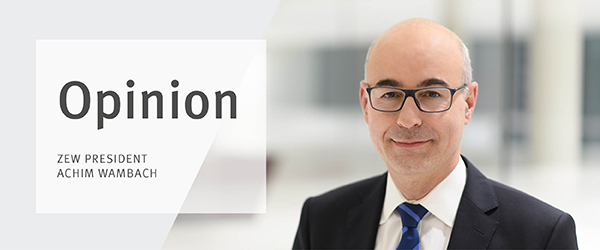
The United States and China are pursuing national strategies. The EU should provide an alternative, argues ZEW President Achim Wambach in a guest article for the Frankfurter Allgemeine Zeitung.
|
| Read the full opinion piece
|
|
| |
|
| |
| | REVIEW
|
| ↗ #ZEWLIVE WEBINAR
Rethinking Cohesion Policy: EU Funding Between Competitiveness and Solidarity
As part of the digital series #ZEWLive, ZEW researcher Zareh Asatryan hosted a webinar on the future of the EU budget on 10 July 2025. The challenges facing the future EU budget were discussed by Calin-Ion Chira from the European Court of Auditors and Eulalia Rubio from the Jacques Delors Institute in Paris/CEPS Brussels. More than 130 viewers followed the live debate on structural policy, competitiveness, and new spending priorities in light of global developments, such as defence spending.
|
|
| |
|
| |
| | | | → CONTACT FOR QUESTIONS OR SUGGESTIONS ON THE CONTENT | |
| |
| |
| |
| | | | | ZEW – Leibniz Centre for European Economic Research
L7, 1 · 68161 Mannheim
Phone: +49 (0)621/1235-01
E-mail: zewmonthly@zew.de
Website: www.zew.de
|
| |
|
|
|
|
| | | | | Executive Directors:
Professor Achim Wambach, PhD; Claudia von Schuttenbach
Chair of the ZEW Supervisory Board:
Ministerial Director Dr. Hans Reiter
Registered Office: Mannheim
Local Court Mannheim HRB 6554
USt-IdNr.: DE188318292
Commitment to Data Protection
Detailed Legal Note
|
| |
| |
|
|
|
|
|---|
|
|














.png)